
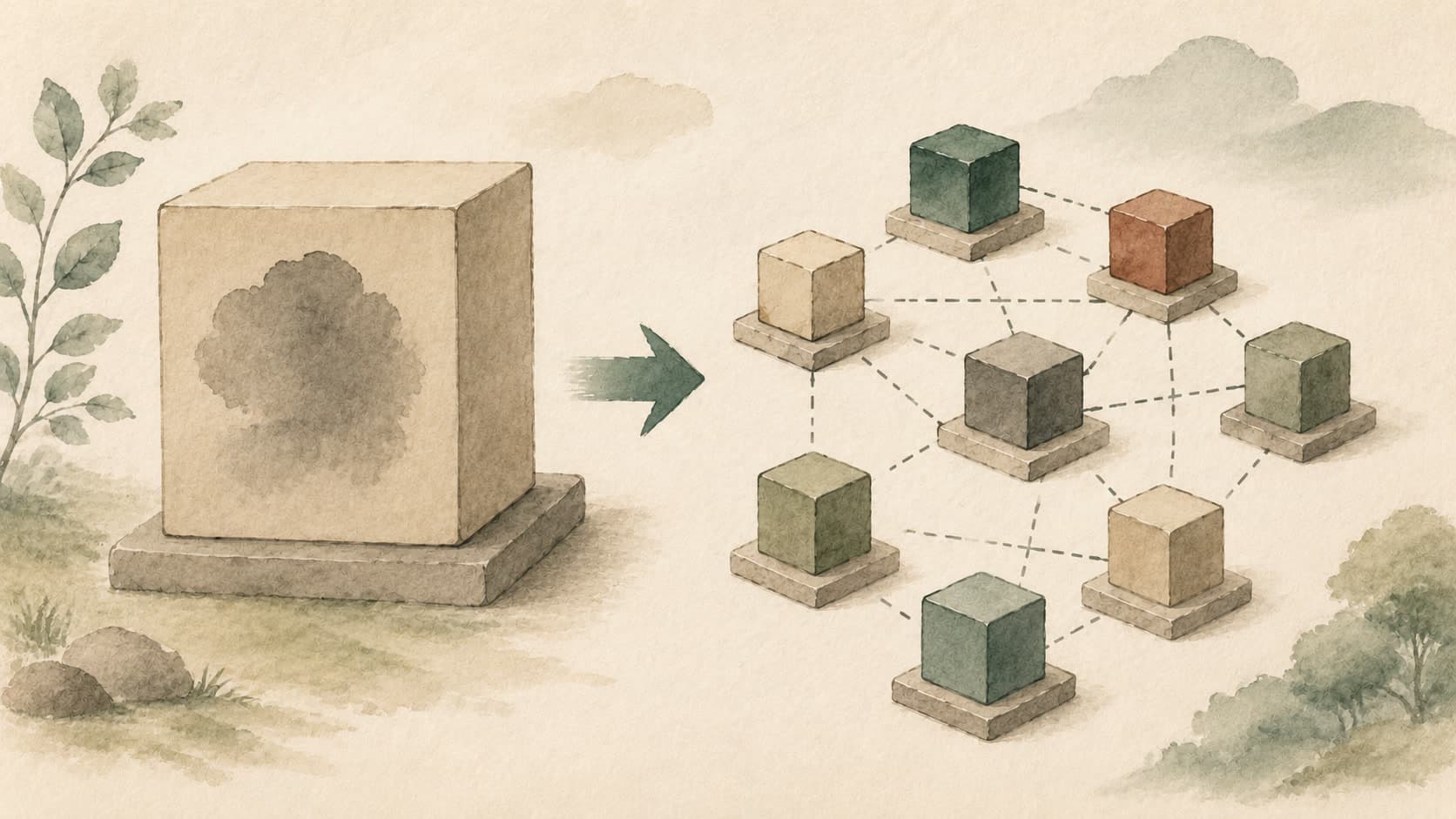
- Cloud computing means using computers, storage, and software hosted on remote servers over the internet, instead of your own local hardware.
- The 'cloud' powers most of the internet we use today — from Google Drive and iCloud to Netflix and Zoom.
- For businesses, cloud computing removes the need to buy and maintain physical servers, reducing cost and increasing flexibility.
What is Cloud Computing?
Cloud computing is the delivery of computing services — including servers, storage, databases, networking, software, and more — over the internet ("the cloud"). Instead of owning and maintaining physical hardware and software yourself, you access these resources on demand from a cloud provider and pay only for what you use.
The "cloud" is simply a metaphor for the internet. When data or software is said to be "in the cloud," it means it exists on remote servers run by companies like Amazon, Google, or Microsoft — not on your personal computer or office hardware.
A Real-World Analogy
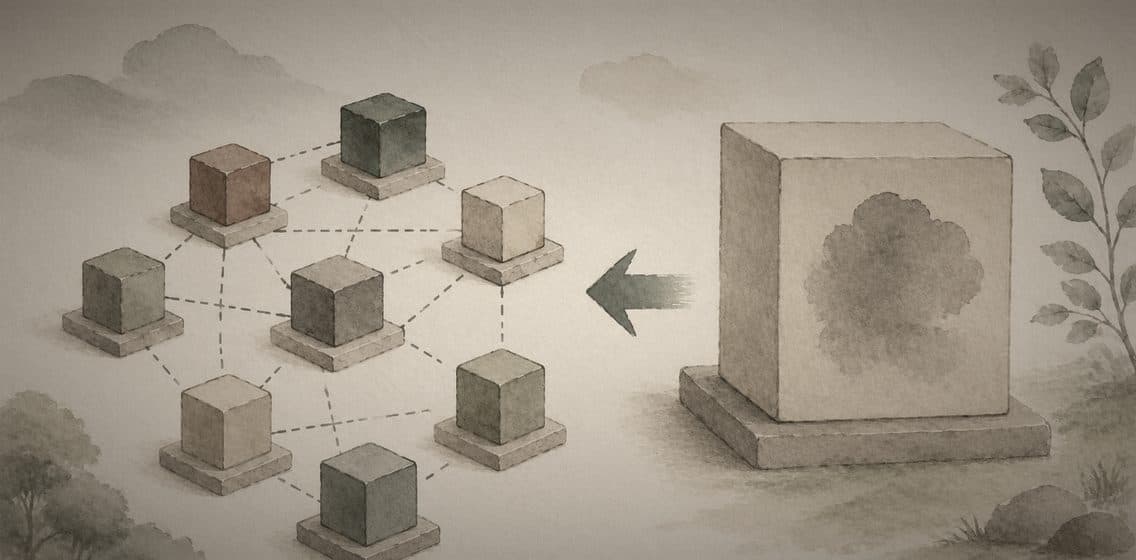
Think of cloud computing like electricity from the power grid.
A hundred years ago, if you wanted electricity for your factory, you had to build your own power plant. Today, you simply plug into the power grid — power companies generate electricity at a central location and deliver it to you over wires. You pay for what you use, and you don't need to understand how a turbine works.
Cloud computing works the same way. Instead of buying and managing your own servers, you "plug in" to a cloud provider. They handle the hardware, the cooling systems, the security, and the maintenance. You get the computing power you need, when you need it, and you pay only for what you use.
Why Does Cloud Computing Matter?
Cloud computing has transformed how organizations of all sizes use technology:
- Cost savings: No need to buy expensive servers or pay staff to maintain them. You rent computing resources as needed.
- Scalability: Need more power during a busy season? Scale up in minutes. Need less afterward? Scale down just as easily.
- Reliability: Major cloud providers run data centers with built-in redundancy — if one server fails, another takes over automatically.
- Speed: New applications and services can be launched in hours, not months, because infrastructure is already available.
- Global reach: Cloud providers have data centers around the world, letting businesses serve customers anywhere with low latency.
For small business owners especially, the cloud levels the playing field — you can access the same infrastructure as large corporations without the capital investment.
How Cloud Computing Works
Cloud computing is typically divided into three service models:
- IaaS (Infrastructure as a Service): You rent raw computing resources — virtual machines, storage, networking. You manage the software; the cloud provider manages the hardware. Example: Amazon EC2.
- PaaS (Platform as a Service): You get a platform to develop and run applications without managing the underlying infrastructure. Example: Google App Engine.
- SaaS (Software as a Service): Ready-to-use applications delivered over the internet. You don't manage anything technical. Example: Gmail, Zoom, Salesforce.
Most cloud infrastructure runs in massive data centers — buildings filled with thousands of servers connected by high-speed networks. Cloud providers invest heavily in security, backup systems, and energy efficiency to keep these facilities running reliably.
Common Cloud Computing Examples
| Service | Provider | What It Does |
|---|---|---|
| Google Drive | Google Cloud | Store and share files online |
| iCloud | Apple | Sync photos, contacts, and documents |
| Netflix | AWS | Stream video from cloud servers |
| Gmail | Google Cloud | Email delivered as a cloud service |
| Office 365 | Microsoft Azure | Word, Excel, Teams — all in the cloud |
| Amazon Web Services | AWS | Cloud infrastructure for developers |
Key Takeaway
Cloud computing means that computing power, storage, and software no longer need to live on the device in front of you. They live on powerful servers somewhere on the internet, ready to serve you instantly. This shift has reduced costs, increased flexibility, and made modern digital life possible — from streaming video to running global businesses.
Every time you save a file to Google Drive, watch Netflix, or join a Zoom call, you're using cloud computing.
Related Terms
- SaaS — Software as a Service is the most consumer-facing layer of cloud computing, delivering software via the cloud.
- API — Cloud services expose their capabilities through APIs, allowing different applications to connect and communicate.
- Machine Learning — Most ML model training and inference happens on cloud infrastructure due to its massive compute requirements.
- Open Source — Much of the software powering cloud data centers (Linux, Kubernetes) is open source.
- Data Center — The physical facilities that house the servers and networking hardware that make the cloud possible.
Sources
- Amazon Web Services — "What is Cloud Computing?": The world's largest cloud provider's definition and overview of cloud computing concepts. (aws.amazon.com)
- Microsoft Azure — Cloud Computing Overview: Microsoft's explanation of cloud types, service models, and business use cases. (azure.microsoft.com)
- NIST — Definition of Cloud Computing (SP 800-145): The U.S. government's official technical definition, widely cited as the authoritative reference. (csrc.nist.gov)